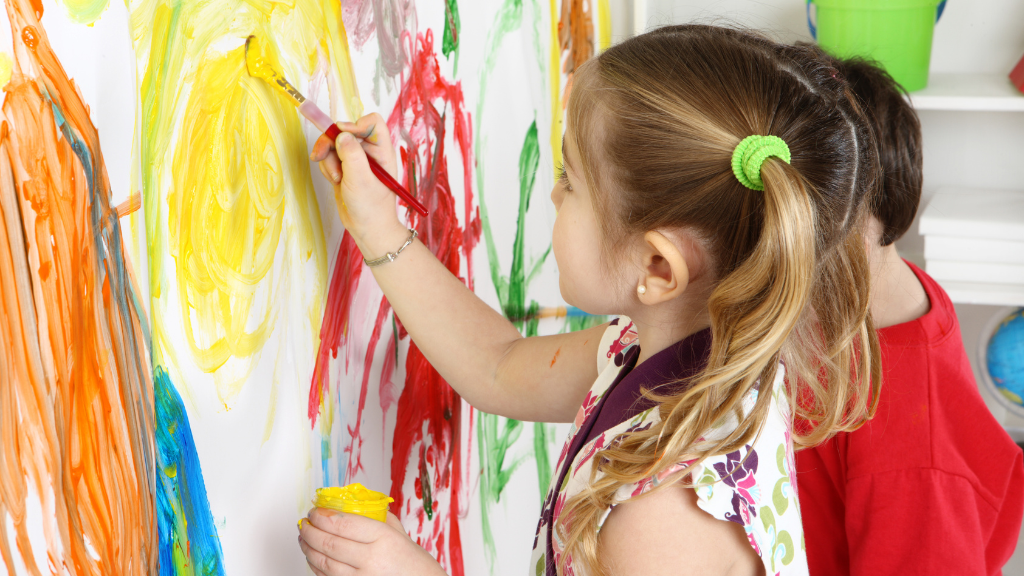
Art is an essential component of early childhood education, serving as a means for children to express themselves, develop critical skills, and engage in creative exploration. Among the various approaches to art in the classroom, process art stands out as the most vital for young learners. Unlike product art, which focuses on the final outcome, process art emphasizes the creative journey, allowing children to explore, experiment, and express themselves freely. This approach is not just about making art—it’s about fostering a child’s overall development in a way that is both meaningful and impactful.
What is Process Art?
Process art is centered around the experience of creating rather than the final product. In this approach, children are given the freedom to explore materials, techniques, and ideas without a predetermined outcome. The emphasis is on the creative process, where the act of making art is valued more than the end result. This encourages children to experiment, take risks, and discover new ways to express their thoughts and feelings.
Key Characteristics of Process Art:
- Open-Ended Exploration: Children are encouraged to use materials in their own way, with no specific instructions or expected outcomes.
- Unique and Diverse Results: Each child’s artwork is different, reflecting their individual creativity and choices.
- Focus on the Experience: The joy of creating and the learning that happens along the way are the primary goals.
- Child-Led: The child is in control of their creative process, with the teacher acting as a facilitator rather than a director.
Why Process Art is Essential
Process art is more than just a way to keep children busy; it is a powerful tool for supporting their overall development. Here’s why process art is so important in early childhood education:
1. Encourages Creativity and Imagination: Process art provides a platform for children to explore their creativity without boundaries. With no set outcome, children can use their imaginations to create something uniquely their own. This freedom to create fosters innovative thinking and problem-solving skills that are crucial in all areas of learning.
2. Supports Emotional Development: Art is a natural outlet for expressing emotions. Through process art, children can convey their feelings in a safe and supportive environment. Whether they are feeling happy, frustrated, or curious, the process of creating art allows them to process and communicate these emotions in a healthy way.
3. Promotes Fine Motor Skills and Coordination: As children engage with various materials—whether it’s painting, drawing, or sculpting—they are also developing their fine motor skills. The act of manipulating materials like clay, scissors, or brushes helps to build hand-eye coordination and dexterity, which are essential for tasks such as writing.
4. Builds Confidence and Independence: In process art, there are no right or wrong answers. This lack of judgment allows children to take risks and try new things without fear of failure. As they see their ideas come to life, their confidence grows. They learn to trust their instincts and take pride in their work, which boosts their self-esteem.
5. Fosters Critical Thinking and Problem-Solving: Process art encourages children to think critically about the materials and techniques they are using. They learn to make decisions, experiment with different approaches, and solve problems as they create. This type of thinking is essential not only in art but in all areas of learning.
The Limitations of Product Art
While product art—where the focus is on replicating a specific final outcome—has its place in education, it can be limiting for young children. Product art often requires children to follow specific instructions, leaving little room for creative exploration. This can stifle their natural curiosity and reduce art to a task of following directions rather than an opportunity for self-expression.
Key Limitations of Product Art:
- Restricted Creativity: The emphasis on a specific outcome can limit a child’s ability to think creatively.
- Pressure to Conform: Children may feel pressure to make their work look like the teacher’s example, which can lead to frustration and reduce their enjoyment of the activity.
- Less Focus on Individual Expression: Product art often prioritizes the adult’s vision over the child’s, leaving little room for personal expression.
Why Process Art Should Be the Priority
In early childhood education, the goal is to nurture the whole child—creatively, emotionally, physically, and cognitively. Process art aligns perfectly with these goals by offering a holistic approach to learning that honors each child’s unique ideas and ways of thinking. While there is a place for product art in teaching specific skills or techniques, process art should be the priority in any early childhood art program. It is through process art that children learn to see the world not just as it is, but as it could be, and that is a lesson that will serve them well throughout their lives.
Opportunity to Learn
We have an exciting opportunity to learn more about the importance of play and process art in early childhood education coming up on Saturday, August 24th! Lisa Murphy of Ooey Gooey Inc. will be joining us to lead a day of workshops on play. We would love to have you join us! Register today to secure your spot!
 Harlem Community Center